




 Ask an Expert

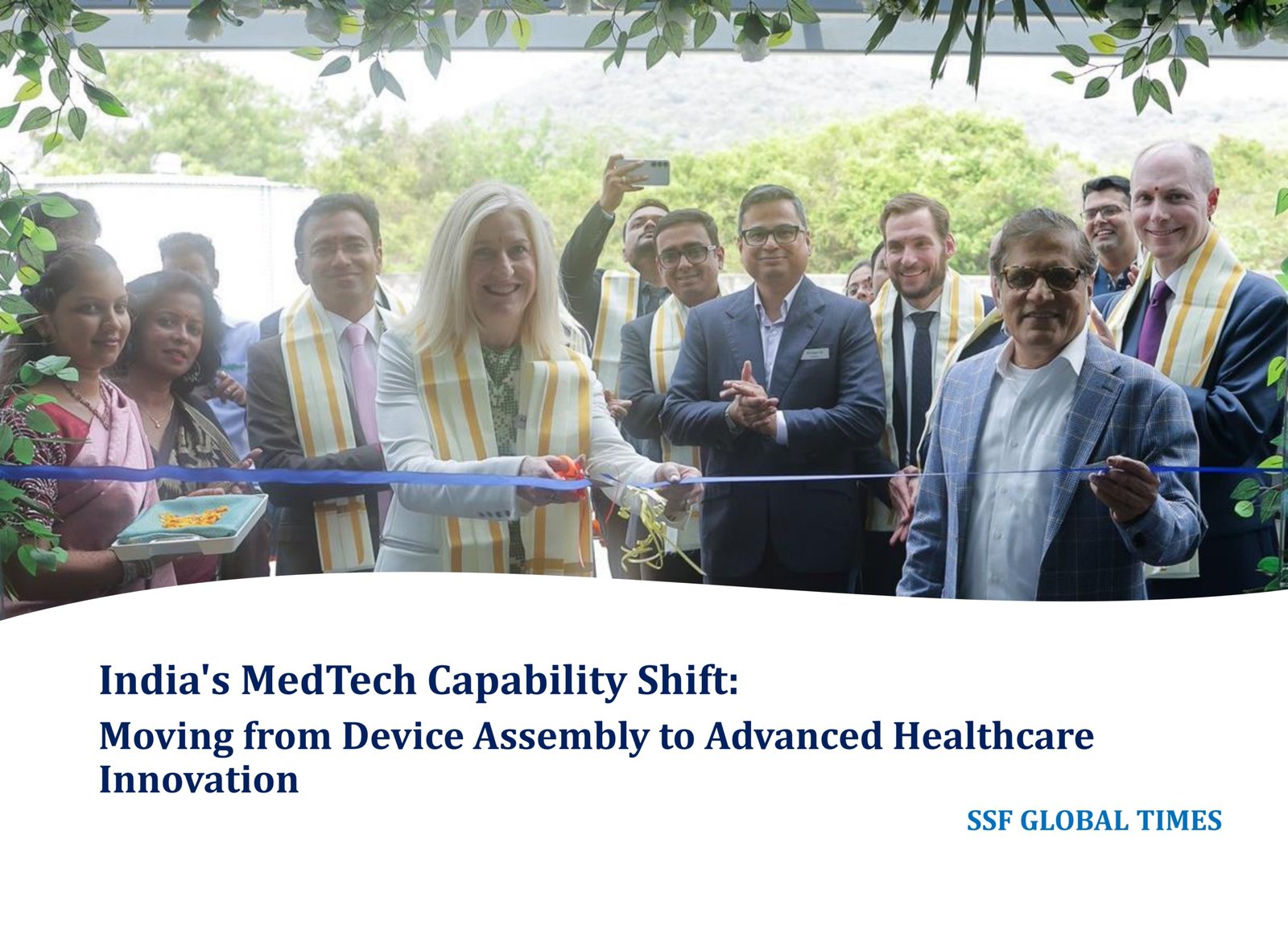
CHENNAI | 24 June 2026: Shifting India’s medical device ecosystem further up the global value chain, specialty materials major The Lubrizol Corporation and global fluid conveyance manufacturer Polyhose have officially commissioned a specialized manufacturing facility in Chennai. Operating under the newly formalized joint venture Lubrizol Polyhose Medical Components (P) Limited, the site establishes a critical domestic supply line for the complex hardware required in advanced healthcare interventions.
The inauguration, led by Rebecca Liebert, President and CEO of Lubrizol, alongside Shabbir Yusuf Jamnagarwala, Founder and Managing Director of Polyhose, marks the physical culmination of a nine-year strategic partnership. The facility directly targets one of the fastest-growing and most supply-constrained segments of the global healthcare market: specialized components required for minimally invasive neurovascular and cardiovascular devices, including advanced catheters and hemodialysis tubing.
The Partners
- Headquartered in Ohio, United States, and operating as a Berkshire Hathaway company, Lubrizol is a global science and specialty chemicals enterprise. The company’s Engineered Materials division is a leading provider of medical-grade thermoplastic polyurethanes (TPUs) and specialized polymers that serve as foundational materials for advanced medical devices, pharmaceutical applications, and specialized industrial solutions worldwide.
- Founded in 1996 and headquartered in Chennai, India, Polyhose is a global manufacturer of fluid conveyance systems. With decades of expertise in precision extrusion, the enterprise manages a significant global footprint, delivering highly engineered thermoplastic, PTFE, and rubber hose solutions to critical industries ranging from aerospace and automotive to advanced healthcare.
We see India as a critical part of our long-term medical strategy, given its strong manufacturing capabilities and rapidly growing healthcare demand. Our collaboration with Polyhose combines Lubrizol’s engineered materials expertise and commitment to improving well-being with Polyhose’s manufacturing capabilities to accelerate innovation and expand global reach.
Precision Extrusion and Material Science
Operating as an ISO 13485-certified environment, the Chennai hub moves beyond conventional medical consumable manufacturing to focus on highly complex, tight-tolerance polymer extrusion. The operational mandate requires the facility to process an advanced portfolio of high-performance materials traditionally concentrated within a limited number of global manufacturing hubs.
The production lines are optimized to extrude polyamides, nylon, Pebax®, polypropylene, and polyethylene, alongside Lubrizol’s proprietary medical-grade thermoplastic polyurethane (TPU). In minimally invasive surgery, these materials directly influence device performance, providing the precise balance of flexibility, trackability, durability, and biocompatibility required for navigating complex cardiovascular and neurovascular pathways.
Addressing the strategic intent behind the investment, John Valukas, President of Lubrizol Engineered Materials, emphasized the shift toward local execution:
By combining Lubrizol’s medical device expertise with the manufacturing strength of local partners in India, this facility will deliver advanced tubing solutions for life-saving neurovascular and cardiovascular applications. Our goal is to help our customers bring these critical technologies to patients faster, with reliable local supply and the highest quality standards.
Building a More Resilient Healthcare Supply Chain
The establishment of the Lubrizol-Polyhose facility alters the economics of India’s medical device sector by addressing one of its most persistent structural gaps: access to specialized medical-grade materials and precision-engineered components.
Historically, while India has steadily expanded its medical device manufacturing base, the country has remained dependent on imports for many Class III and highly specialized Class II medical components. Domestic Original Equipment Manufacturers (OEMs) have often relied on imported medical-grade polymers and precision tubing sourced from the United States, Europe, and other established manufacturing markets, exposing them to longer lead times, supply disruptions, and cost volatility.
This joint venture helps localize a critical portion of the specialty polymer-to-component value chain. By combining Lubrizol’s materials science expertise with Polyhose’s precision manufacturing capabilities, the facility provides Indian MedTech manufacturers with access to advanced catheter and tubing components within the domestic ecosystem. The result is faster product development cycles, improved supply chain resilience, and enhanced capability to design and manufacture next-generation healthcare devices from India.
The operationalization of this facility also highlights a broader shift in how global enterprises evaluate India’s role within healthcare manufacturing. Increasingly, competitive differentiation is being driven not merely by final assembly, but by upstream capabilities in materials science, advanced engineering, precision manufacturing, and intellectual property creation.
By integrating Lubrizol’s proprietary polymer expertise with Polyhose’s manufacturing infrastructure, the partnership captures a highly specialized segment of the healthcare value chain while positioning India as a credible destination for advanced component manufacturing. As global healthcare companies continue diversifying supply chains and reducing concentration risk, facilities such as this offer an increasingly attractive alternative for sourcing critical medical components.
Validating the long-term industrial impact, Polyhose Managing Director Shabbir Yusuf Jamnagarwala stated:
This investment reflects our commitment to innovation, creating skilled employment opportunities, and strengthening India’s position as a trusted global hub for advanced medical device manufacturing.