




Bengaluru | 22 December 2025: India’s Global Capability Centres (GCCs) are entering a decisive new chapter. Once positioned primarily as efficiency engines and extended delivery arms, GCCs are now being re-architected as strategic enterprise hubs, owning outcomes, influencing global roadmaps, and shaping long-term business value. At the heart of this shift lies a clear signal: leadership capability is becoming the most critical differentiator.

The New GCC Mandate: Strategy, Not Support

As enterprises distribute more global mandates to India, GCCs are increasingly accountable for product ownership, platform engineering, data strategy, AI enablement, and enterprise transformation initiatives. This evolution has fundamentally changed the leadership profile required within these centres.

Organizations are no longer hiring only for scale management or operational oversight. Instead, they are seeking leaders who can:

  • Operate with end-to-end business ownership
  • Influence enterprise stakeholders across geographies
  • Build and lead AI-first, digital-native teams
  • Translate global strategy into locally executed, globally impactful outcomes

This shift explains the growing demand for senior and next-generation leaders across technology, data, product, and transformation roles within India’s GCC ecosystem.
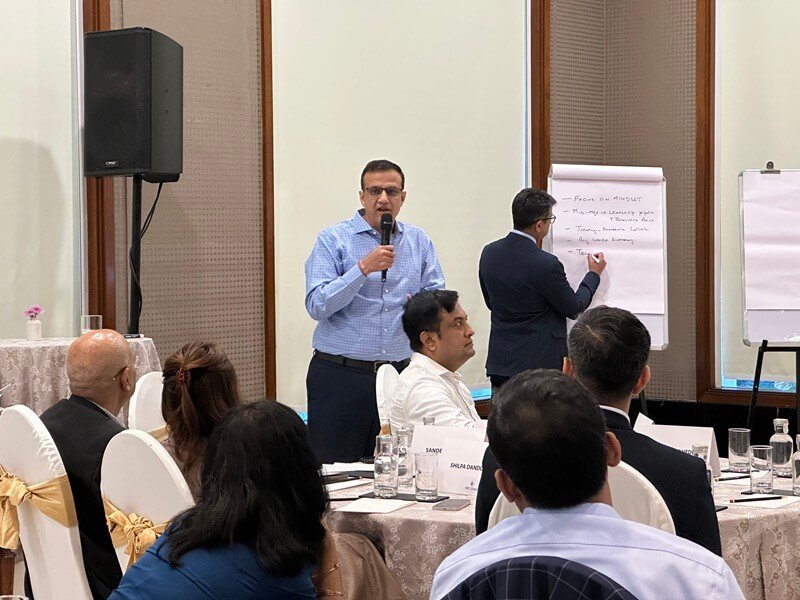
Leadership Hiring Is Accelerating – But Readiness Is Uneven

While leadership hiring is on the rise, enterprises are encountering a familiar challenge: capability readiness has not scaled at the same pace as opportunity.
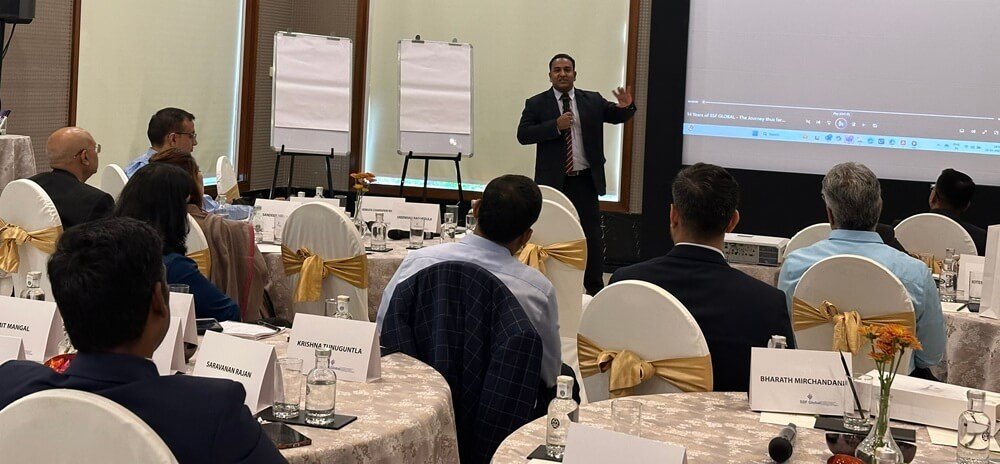
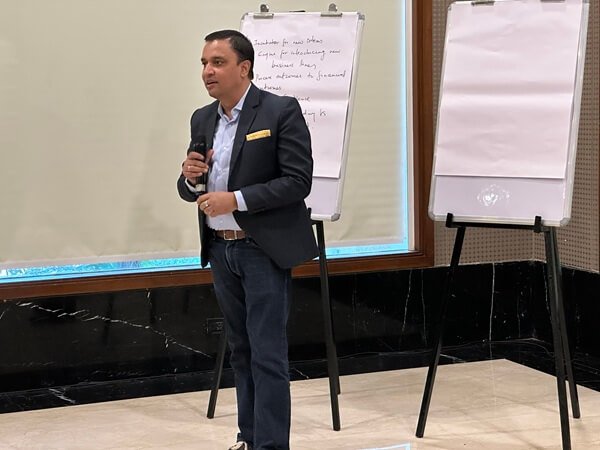
Many high-potential professionals have deep functional expertise, but fewer have been systematically prepared for:

  • Enterprise-level decision-making
  • Cross-functional and cross-cultural leadership
  • Ambiguity, rapid change, and AI-driven operating models
  • Strategic storytelling and value articulation to global headquarters

This gap is most visible at three levels:

  1. Senior leaders stepping into global mandate ownership and board-level conversations
  2. Mid-managers expected to deliver outcomes, not just manage teams
  3. Emerging leaders transitioning from specialist to people and program leadership

Addressing this gap requires more than generic leadership training, it demands GCC-contextual capability building.

GCC Leadership Requires a Different Kind of Preparation

Leadership inside a GCC is distinct from traditional enterprise leadership. It sits at the intersection of technology, talent, enterprise strategy, and global governance. As GCCs mature, leaders must be fluent in:

  • Global operating models and value creation frameworks
  • AI, automation, and data-led decision environments
  • Talent ecosystems, not just internal teams
  • Partner orchestration across vendors, academia, and innovation networks

This is where structured, ecosystem-informed learning becomes essential.

Building GCC-Ready Leaders: Role of Structured Certification and Academia Alignment

As the GCC ecosystem evolves, so must the way leaders and future talent are prepared. Industry-aligned certification programs and academy-integrated curricula are becoming a strategic lever, helping organizations and individuals move faster from potential to performance.


SSF’s approach is grounded in this reality. Backed by deep ecosystem insight and an active GCC leadership community, SSF Global works across three critical layers:

  • Leadership and executive certification programs focused on enterprise impact, AI-first thinking, and global mandate readiness
  • Mid-manager and next-gen leader programs designed to bridge the gap between execution excellence and strategic ownership
  • Academy and institution-aligned curricula that prepare students to be GCC-ready from day one – enabling faster absorption into real enterprise roles rather than prolonged on-the-job ramp-up

The objective is not credentialing for its own sake, but capability acceleration, aligned to how GCCs actually operate today and where they are headed next.

Looking Ahead: Leadership Will Define the Next Phase of GCC Growth

As India’s GCC ecosystem continues to expand in scale and strategic relevance, leadership depth will determine which centres evolve into true enterprise nerve centres, and which remain execution-heavy outposts.

The future GCC leader is expected to be:

  • Enterprise-minded, not function-limited
  • AI-literate and digitally fluent
  • Comfortable with ambiguity and rapid reinvention
  • Accountable for outcomes, influence, and long-term value creation

For organizations, investing in leadership readiness is no longer optional. For professionals and institutions, aligning learning pathways to real GCC expectations is becoming mission-critical.

India’s GCC story is no longer about cost or capacity. It is about Leadership, Capability, and Global Influence – and those who prepare for it will shape the next decade of enterprise transformation.

Share on   

Are you looking to set-up a GCC or expand an already existing one. Write to us and we will help you by providing the blueprint/ roadmap and SETUP solution – we are a one stop solution including end-to-end requirement for a GCC – Location, People, Process, Technology (AI) and Infrastructure.

About SSF Global
SSF Global is a Global Community for Enterprise Function Leaders and serves as a research & advisory platform focused on Global Business Services (GBS), Global Capability Centres (GCCs), and the evolution of enterprise innovation in India and beyond. We track, publish, and partner in narratives that shape how capability centres transform into hubs of trust, intelligence, and sustainable growth. We also evaluate, assess and benchmark the GCCs for their performance, maturity and other parameters using our proprietary tools built from the knowledge gained from direct interaction with our members (GCCs & GBS).