




 Ask an Expert

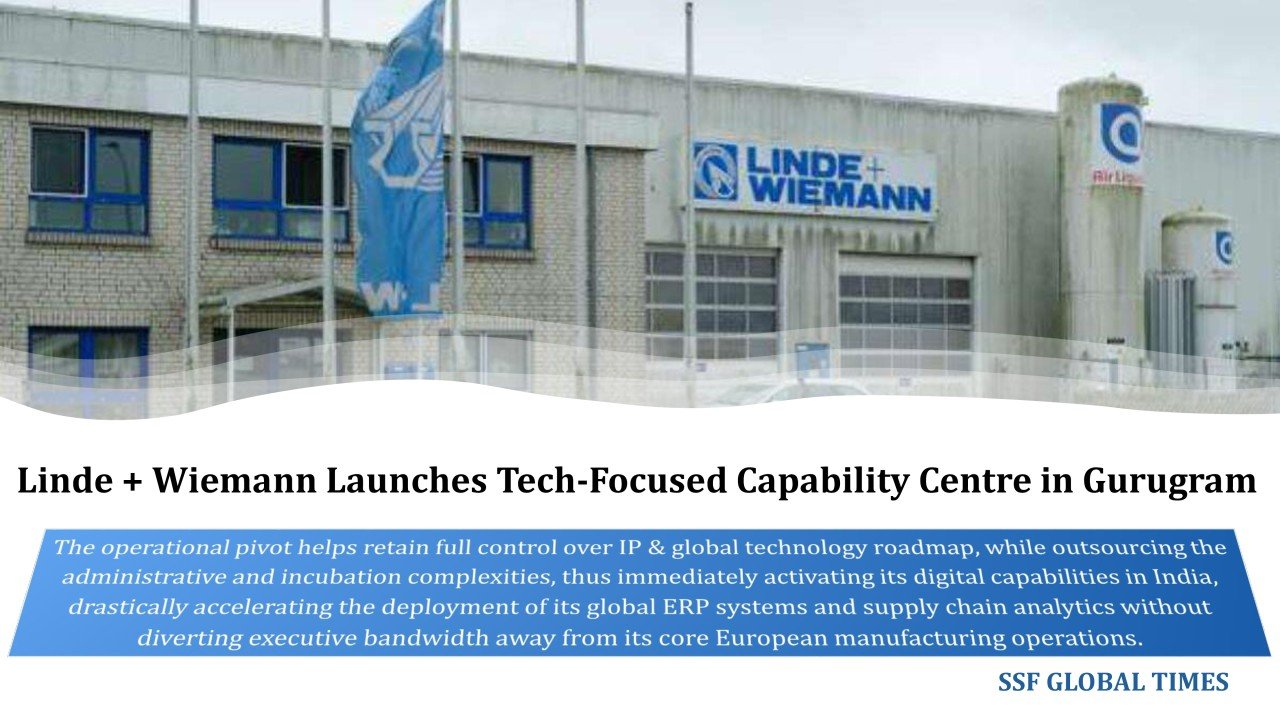
GURUGRAM | 9 July 2026: Completing a strategic expansion of its digital and operational infrastructure, Linde + Wiemann has officially launched a technology-focused Global Capability Centre (GCC) in Gurugram, Haryana. The new facility is designed to serve as a centralized hub, actively supporting the enterprise’s worldwide operations across core technology and supply chain frameworks.
The launch highlights a significant evolution in how multinational corporations establish their Indian footprint. Rather than navigating the complex administrative and infrastructural hurdles of a standalone setup, Linde + Wiemann established the centre under an end-to-end Build and Operate model in collaboration with consulting firm Primus Partners.
KEY HIGHLIGHTS
- Strategic tech hub: German automotive supplier Linde + Wiemann has established a technology-focused GCC in Gurugram.
- Core functional mandate: The centre immediately assumes responsibility for global Enterprise Resource Planning (ERP), technology infrastructure, business intelligence, finance, and supply chain operations.
- Future scaling: The roadmap designates the facility to evolve into a full-scale Centre of Excellence (CoE), expanding into complex engineering, design, and digital capabilities.
- Policy-driven expansion: The investment aligns directly with the rollout of the Haryana GCC Policy 2026, reflecting the state’s efforts to strengthen its position as an emerging GCC destination.
Headquartered in Dillenburg, Germany, Linde + Wiemann operates as a premier global supplier of lightweight structural and safety components for the automotive industry. With a legacy spanning over 80 years, the enterprise specializes in metal forming, stamping, and complex joining technologies, producing critical crash-relevant body-in-white components (including A-pillars, B-pillars, and impact beams).
Operating a global footprint of 18 locations across eight countries, the enterprise employs over 2,300 professionals and supplies approximately 30 international automotive manufacturers. The company’s strategic positioning within the Indian market is particularly robust; in 2019, India’s JBM Group acquired a 50% stake in Linde + Wiemann, creating a partnership designed to combine European engineering expertise with global manufacturing scale.
ARCHITECTING THE GLOBAL AUTOMOTIVE ENGINE
Unlike legacy back-office deployments that focus on isolated data entry, the Linde + Wiemann facility in Gurugram is structured to integrate directly with the parent company’s core manufacturing operations. Operating within a highly complex, global supply chain, the centre’s mandate is engineered for immediate business impact.
The operational parameters and capabilities of the new hub include:
- Enterprise Resource Planning (ERP) Integration: Dedicated teams will oversee the digital backbone of the company’s worldwide manufacturing plants, ensuring that materials, production schedules, and logistics remain synchronized across all 18 global locations.
- Advanced Business Intelligence (BI): The hub will house specialized analysts tasked with converting raw supply chain and financial data into predictive models, allowing European headquarters to preempt logistical bottlenecks.
- Global Supply Chain & Sales Optimization: Personnel in Gurugram will manage end-to-end supply chain logistics, ensuring the seamless flow of crash-relevant automotive components to major Original Equipment Manufacturers (OEMs).
- The Engineering Roadmap: While initially focused on IT and business operations, the facility is structurally designed for vertical integration. Subsequent expansion phases will onboard high-end automotive engineering, structural design, and digital prototyping capabilities.
THE BUILD & OPERATE PIVOT
The operational strategy behind the Gurugram centre reveals a shifting dynamic in how specialized, high-value manufacturing enterprises scale their digital footprints. For a Tier-1 automotive supplier like Linde + Wiemann, which produces critical structural assemblies for more than 30 global automakers, maintaining focus on core engineering and manufacturing operations remains paramount.
Establishing a proprietary offshore hub traditionally demands an 18-to-24-month lead time to secure real estate, navigate localized compliance, and recruit highly specialized technical talent. This operational pivot allows the German enterprise to retain full control over its intellectual property and global technology roadmap, while outsourcing the administrative and incubation complexities. By leveraging this framework, Linde + Wiemann immediately activates its digital capabilities in India, drastically accelerating the deployment of its global ERP systems and supply chain analytics without diverting executive bandwidth away from its core European manufacturing operations.