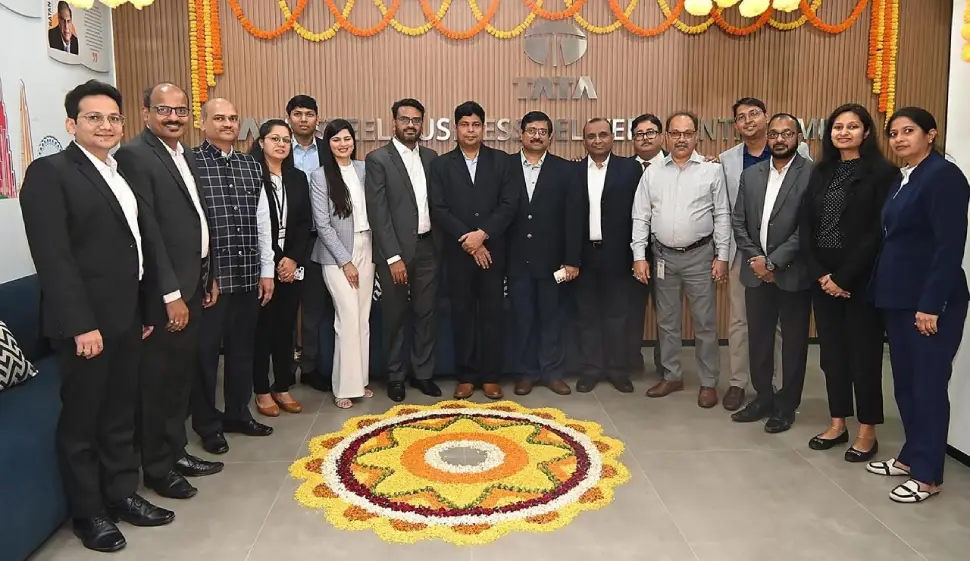




Kolkata | 12 March 2026: Tata Steel Business Delivery Centre Limited (TSBDCL) has transitioned into a high-maturity Global Capability Centre (GCC), marked by the inauguration of a new, scale-ready facility. This move signals more than infrastructure expansion; it reflects a structural shift in how industrial enterprises are re-architecting their operating models.

Tata Steel, with an annual crude steel capacity of 34 million tonnes per annum (MnTPA), is considered one of the world’s most geographically diversified steel producers. Tata Group is a global business conglomerate, operating in over 100 countries across 6 continents. From an early foray into steel and automobiles to staying abreast of the latest technologies, the Tata group today has a strong presence across diverse industries, such as agrochemicals, automotive, chemicals, construction, finance, consumer products, and hospitality. The enterprise is aligning its GCC strategy with its broader digital and operational transformation agenda. In doing so, it is redefining the role of internal delivery centres, from transactional support units to enterprise-wide control towers driving intelligence, efficiency, and value creation.

From Shared Services to Enterprise Backbone

Established in 2018 and rebranded in 2023 under the Tata identity, TSBDCL today supports operations across 60+ global locations. What was once a shared services setup has evolved into the financial and operational backbone of Tata Steel and its global entities.

The centre delivers end-to-end finance operations across Procure-to-Pay (P2P), Order-to-Cash (O2C), and Record-to-Report (R2R), managing complex transaction cycles, logistics-linked invoicing, capex accounting, and enterprise reporting at scale. More importantly, it is embedding consistency, control, and visibility across geographies, critical for a business operating in a high-volume, multi-entity industrial environment.

A Structured Approach to Transformation

At the core of TSBDCL’s evolution is a clearly defined transformation philosophy built on three levers:

  • Re-Locate: Centralizing operations to enhance efficiency, governance, and control
  • Re-Engineer: Standardizing processes to drive consistency, scalability, and value
  • Re-Shape: Embedding digital technologies to enable next-generation, intelligent workflows

This structured approach has enabled the centre to move beyond process consolidation toward building a scalable, technology-enabled capability system. With headquarters in Kolkata and a strong presence in Bhubaneswar, TSBDCL leverages Eastern India’s growing talent ecosystem while maintaining global delivery standards, reinforced by ISO 9001:2015 certification.
Redefining the Role of GCCs in Industrial Enterprises

Tata Steel’s GCC transformation reflects a broader shift underway across the industry. GCCs are no longer positioned as cost-optimization engines. They are emerging as:

  • Drivers of enterprise-wide standardization
  • Enablers of real-time, data-driven decision-making
  • Execution arms for digital transformation at scale

In industrial enterprises, where operational complexity is high and margins are tightly managed, this shift is particularly significant. GCCs are increasingly becoming the nerve centres that connect finance, operations, and technology into a unified system of control and intelligence.

Building Intelligent Capability Systems

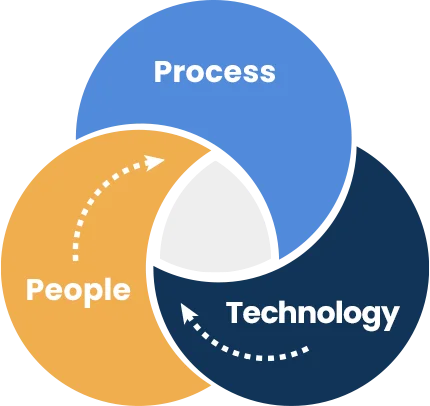
TSBDCL’s evolution is anchored in the convergence of People, Process, and Technology. These are not standalone pillars, but an integrated system.

  • People: Cross-skilled teams operating with end-to-end ownership
  • Process: Standardized, governance-led workflows ensuring consistency and transparency
  • Technology: Digital and AI-led interventions enabling automation, accuracy, and scalability

This integrated model allows the GCC to move from transaction processing to intelligent execution, where insights, not just outputs, drive enterprise decisions.

Key Takeaways for GCC Leaders

Tata Steel’s journey offers a clear playbook for enterprises building or scaling GCCs:

  • Maturity Shift: Transition from support functions to enterprise-critical capability hubs
  • Operating Discipline: Use structured transformation levers to drive scale and consistency
  • Technology Integration: Embed AI and automation to enable intelligent, autonomous execution
  • Infrastructure Readiness: Invest in facilities aligned with long-term growth and scale
  • Strategic Positioning: Evolve into control towers for finance and operational workflows

Collectively, these shifts indicate that competitive advantage is increasingly being built through internally owned, intelligent capability systems, rather than fragmented or outsourced models.

Insight Box: From Transaction Processing to Financial Control Towers

The Challenge

Large manufacturing enterprises operate across multiple entities and geographies, often facing fragmented financial processes that limit visibility, control, and efficiency.

The Intervention

Mature GCCs like TSBDCL address this by:

  • Centralizing end-to-end finance operations (P2P, O2C, R2R)
  • Standardizing workflows across business units
  • Embedding automation and validation into transaction flows
  • Strengthening governance through unified reporting and compliance systems

The Impact

  • Enhanced working capital visibility and control
  • Reduced processing errors and compliance risks
  • Faster transaction cycles and reporting timelines
  • Improved decision-making through consolidated financial data

Curated by SSF Global to track developments shaping the future of GCCs, enterprise ecosystems, and India’s commercial real estate landscape.

Share on      

Exploring a GCC strategy or scaling an existing centre?

SSF Global partners with enterprises to design and operationalize future-ready Global Capability Centres, spanning location strategy, talent architecture, operating model design, AI integration, and infrastructure.

Connect with us to build a GCC that delivers long-term strategic value, not just operational efficiency.

About SSF Global
SSF Global is a Global Community for Enterprise Function Leaders and serves as a research & advisory platform focused on Global Business Services (GBS), Global Capability Centres (GCCs), and the evolution of enterprise innovation in India and beyond. We track, publish, and partner in narratives that shape how capability centres transform into hubs of trust, intelligence, and sustainable growth. We also evaluate, assess and benchmark the GCCs for their performance, maturity and other parameters using our proprietary tools built from the knowledge gained from direct interaction with our members (GCCs & GBS).